

+86 18395326713

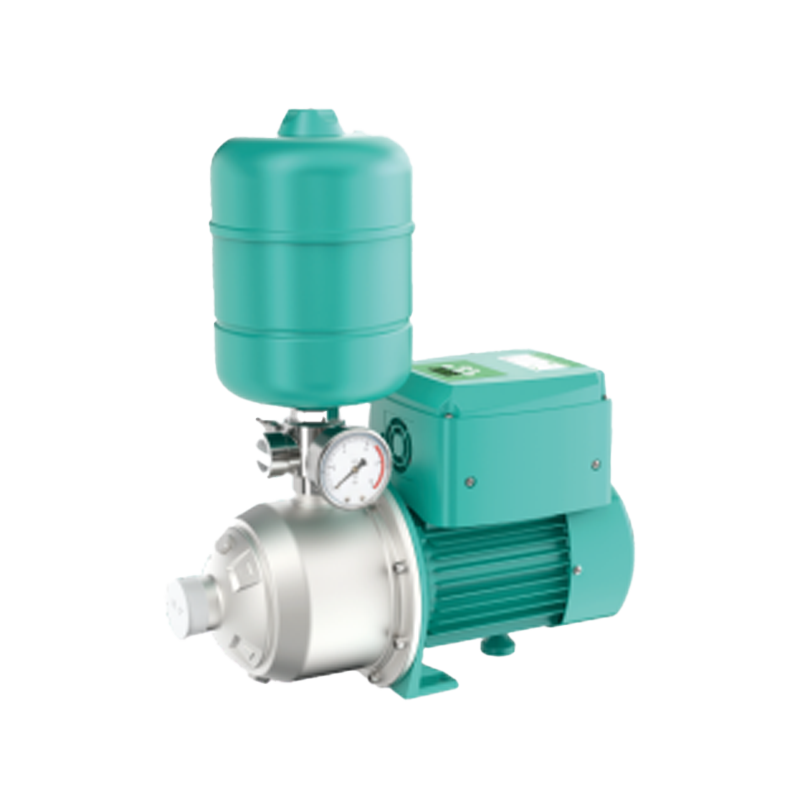
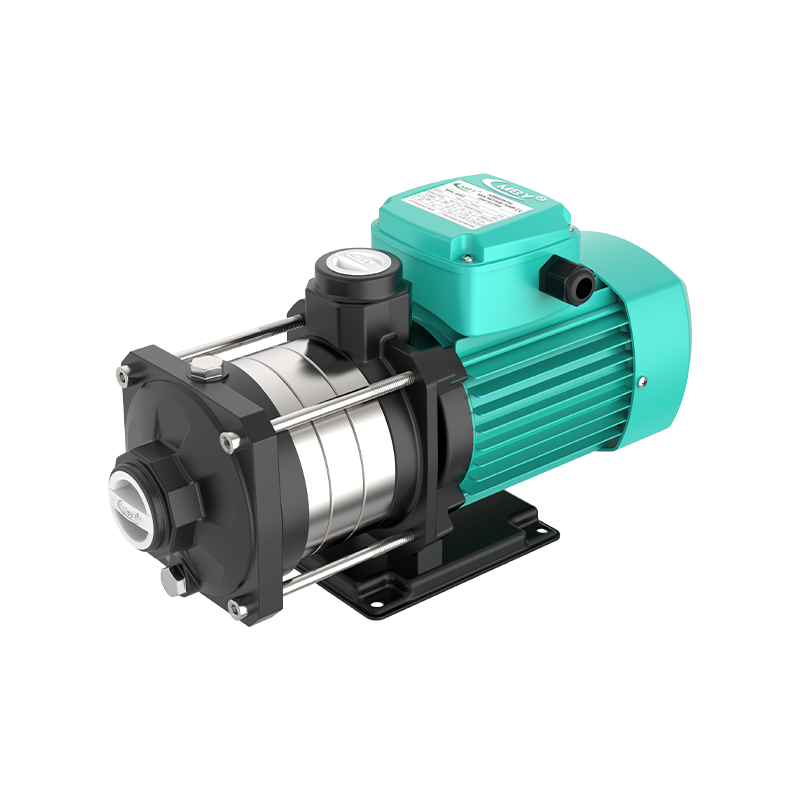
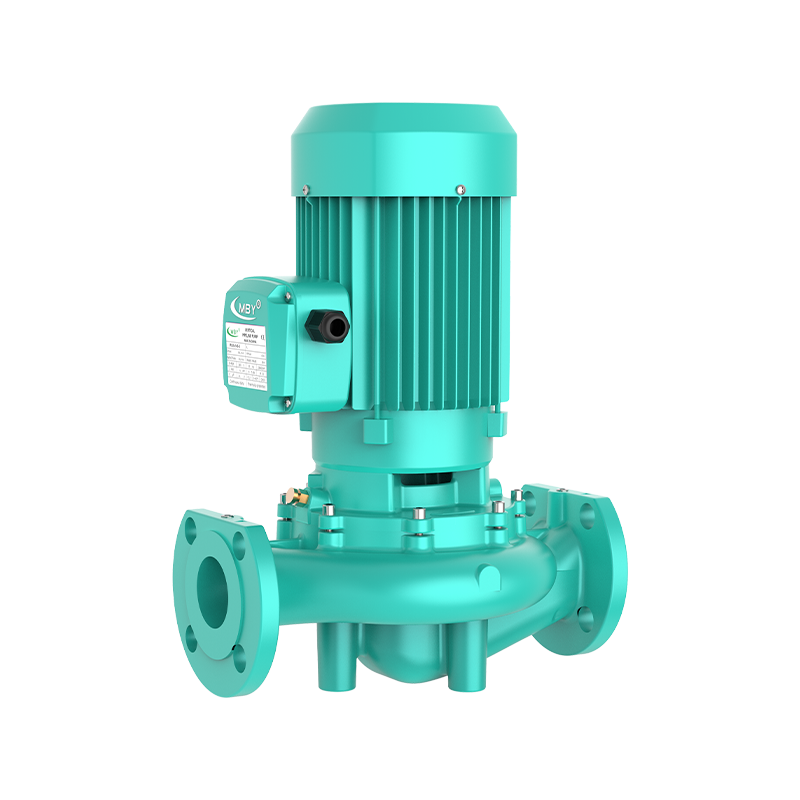
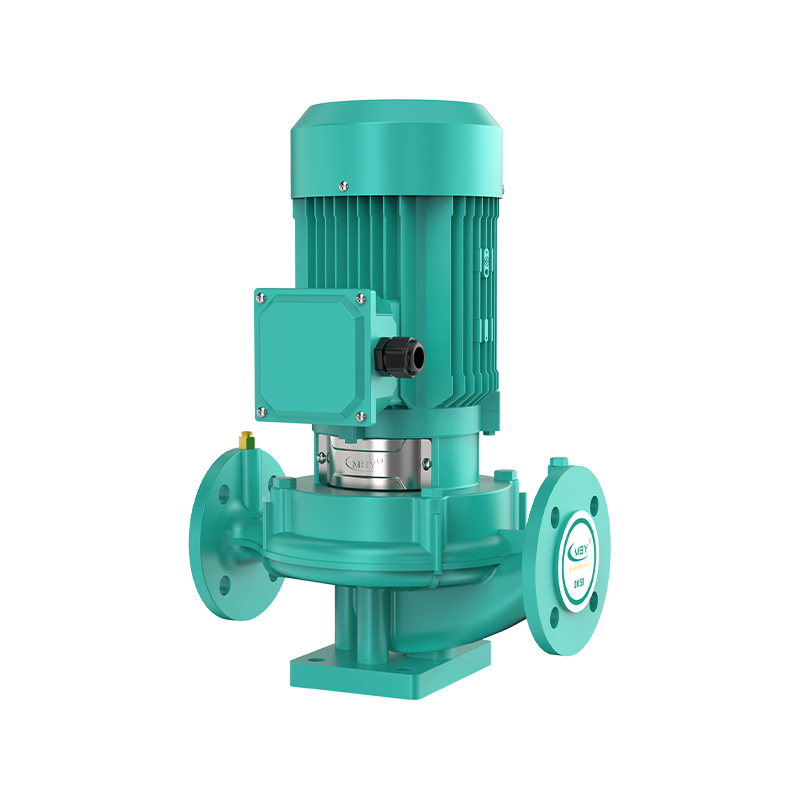
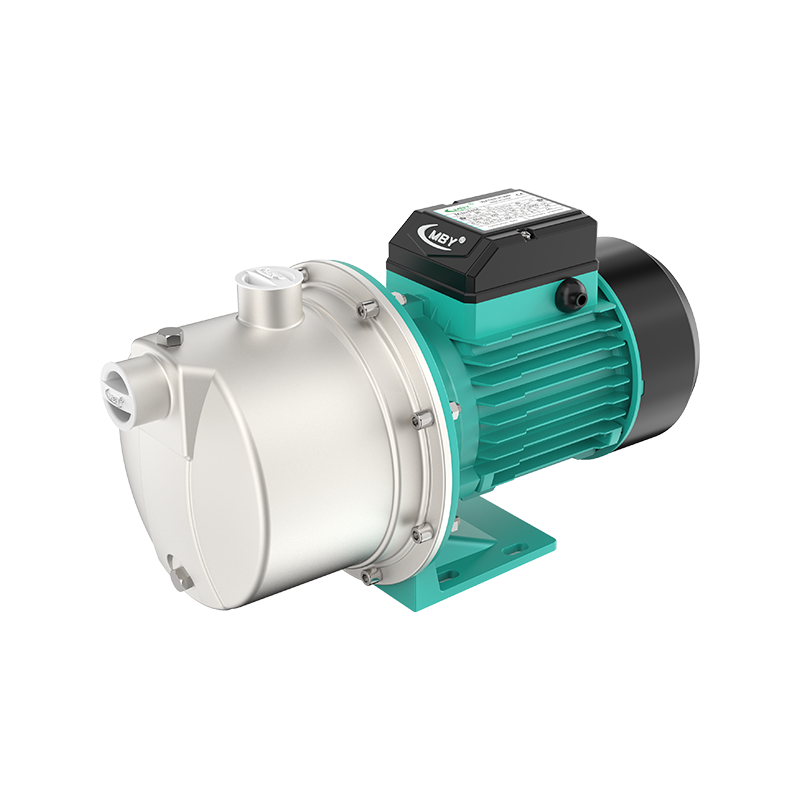
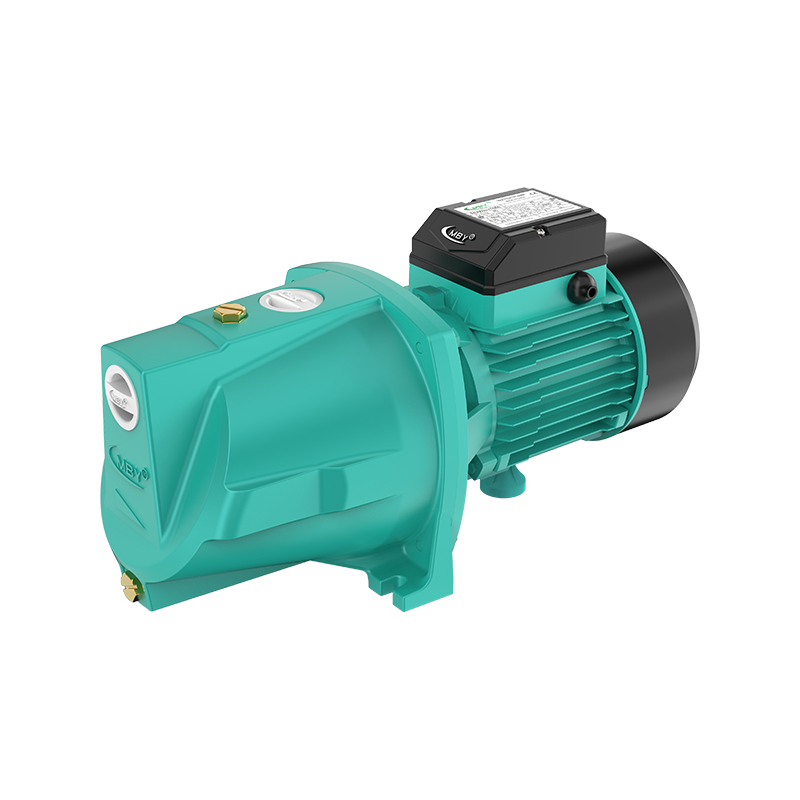
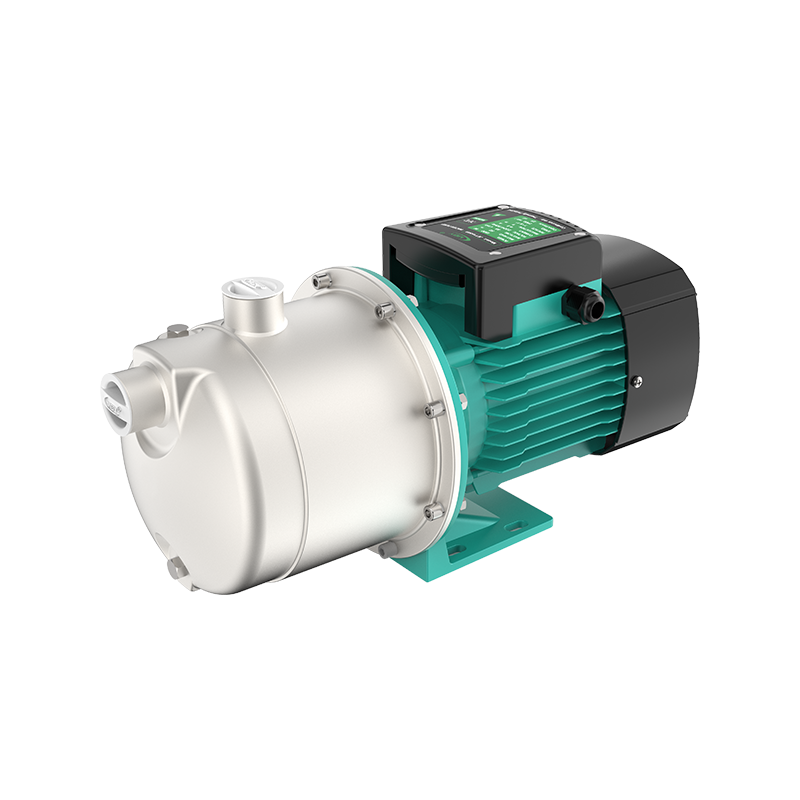
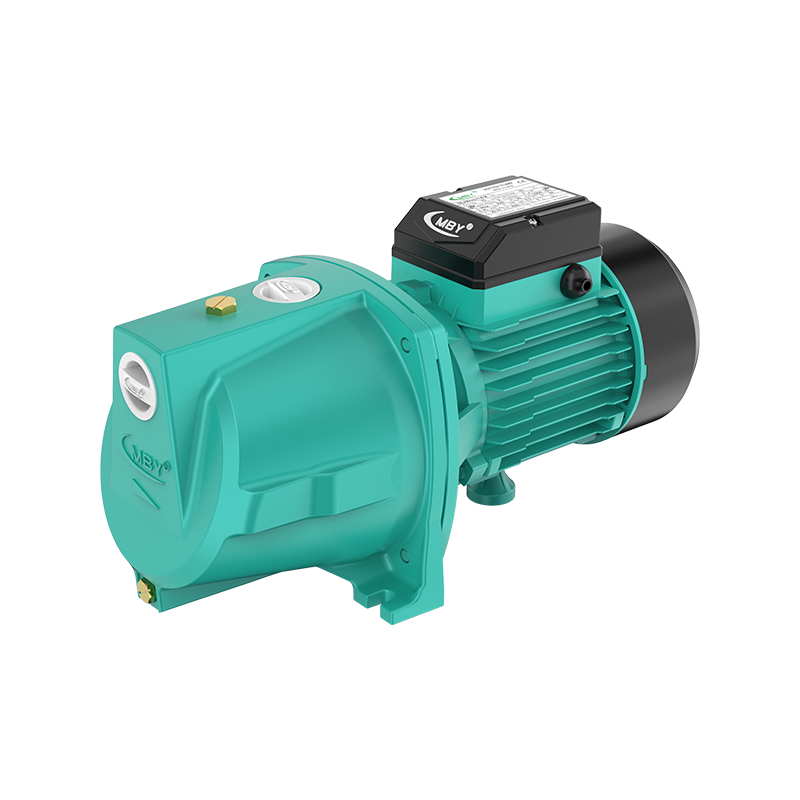
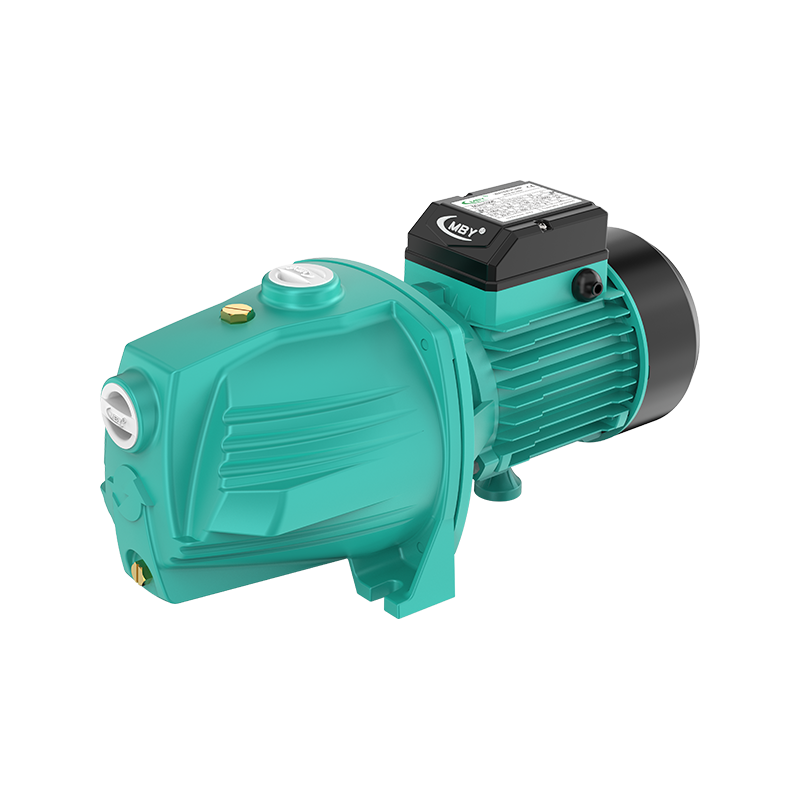
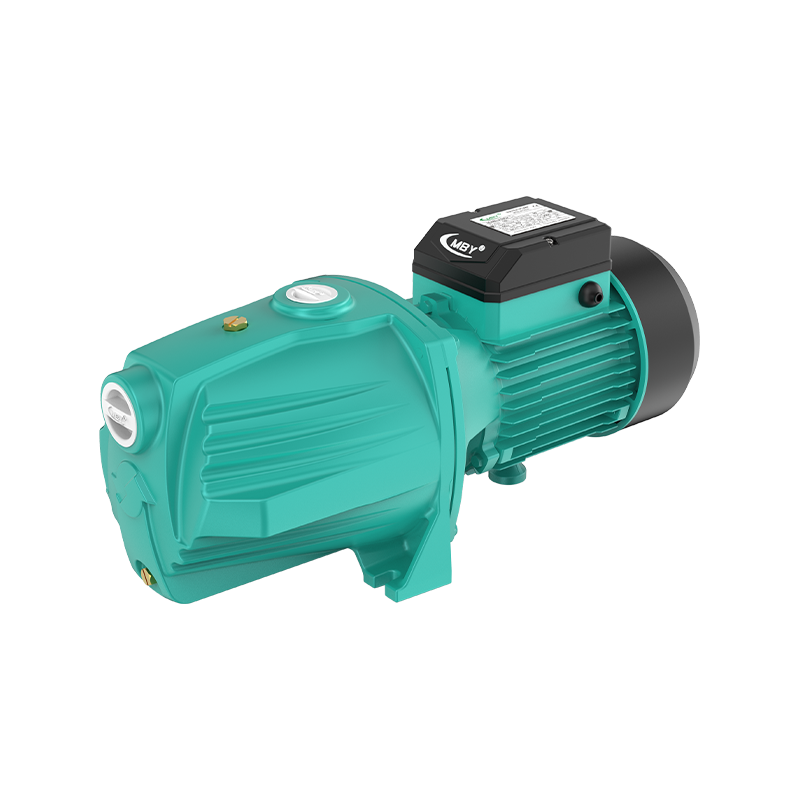
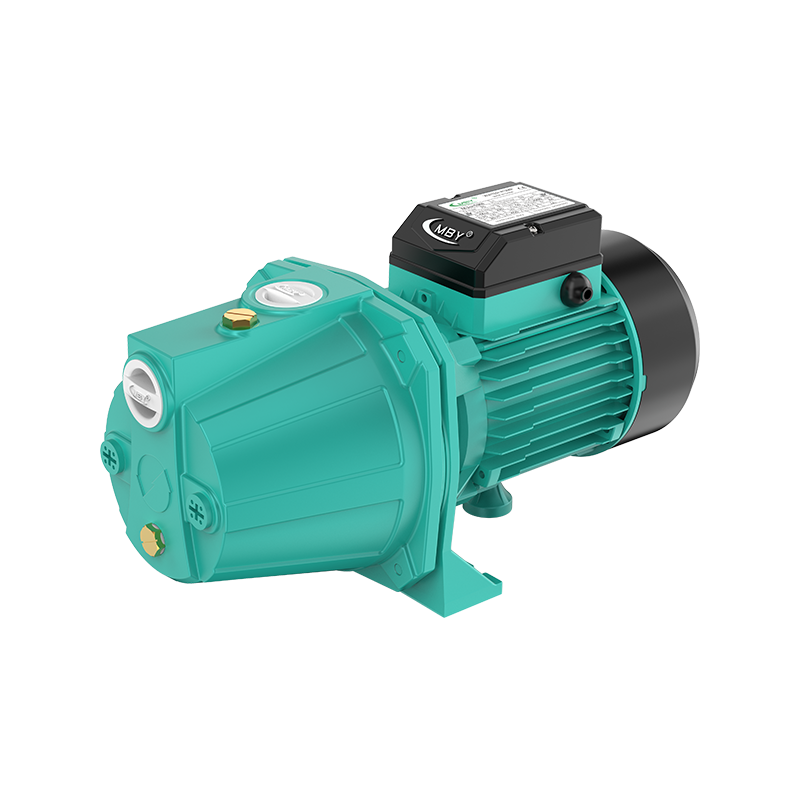
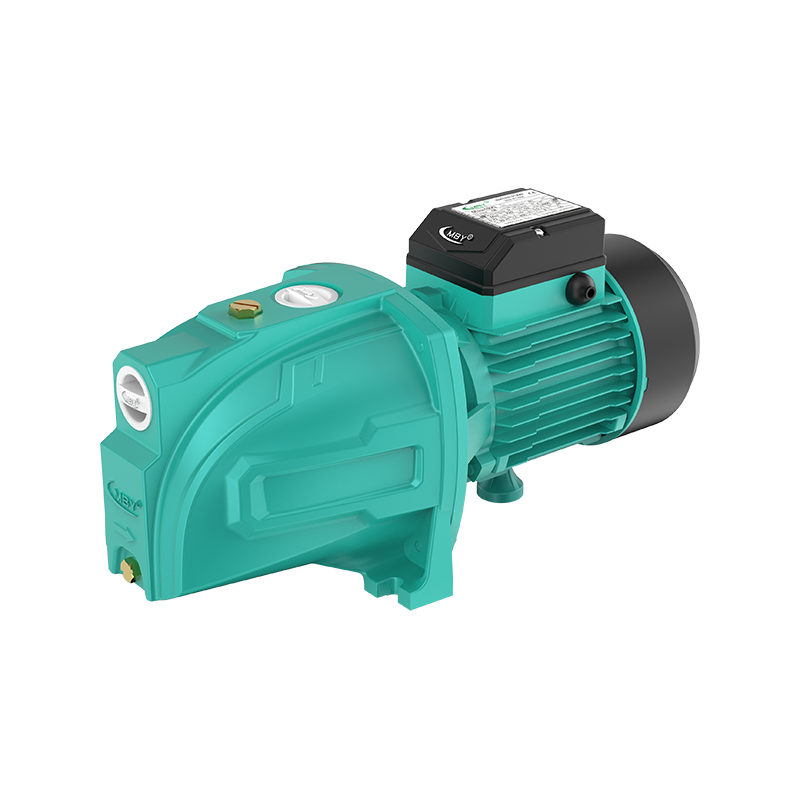
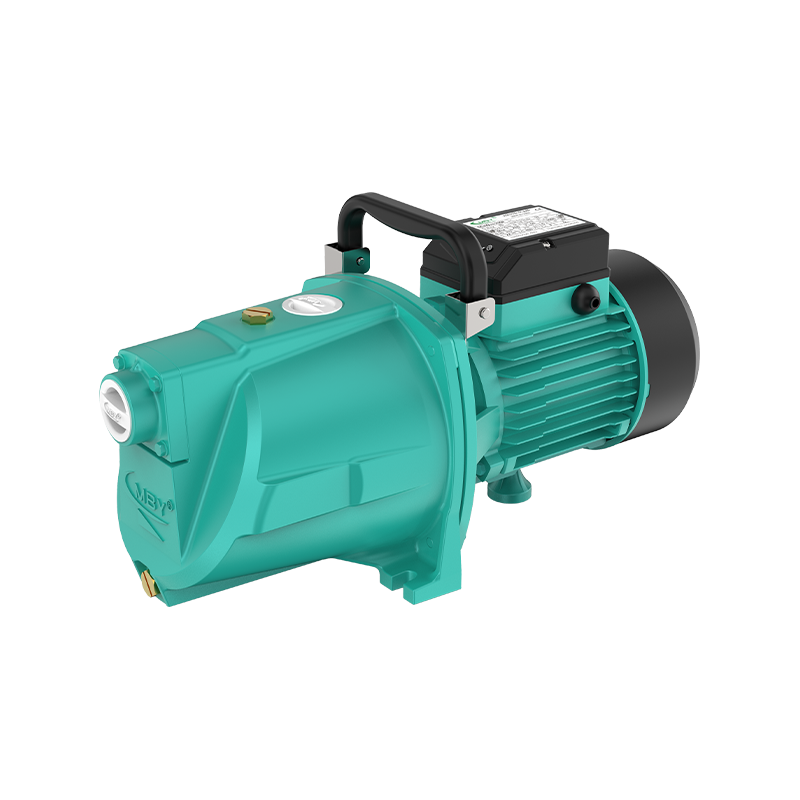
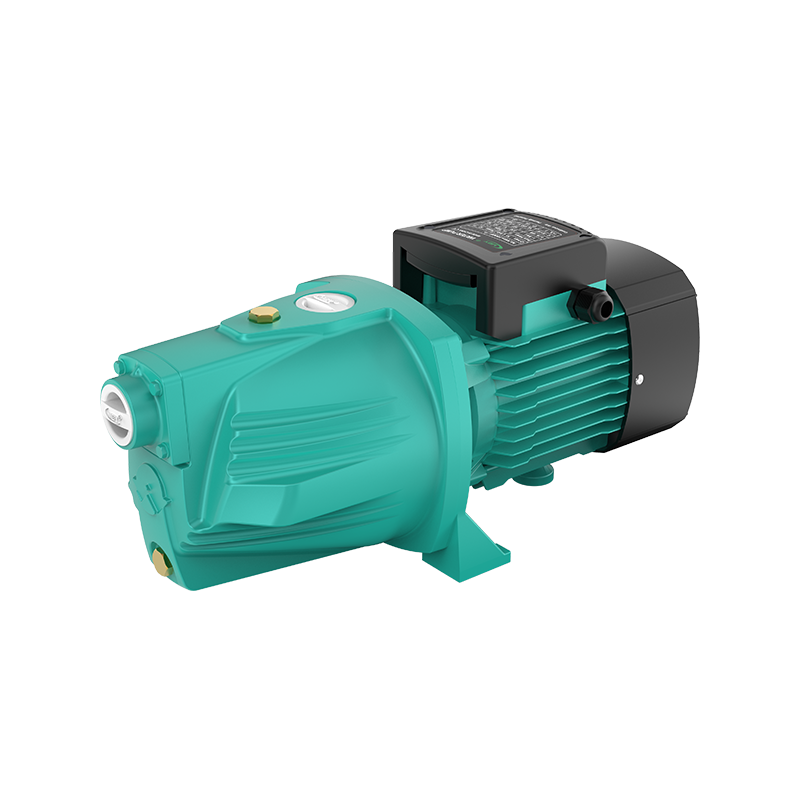
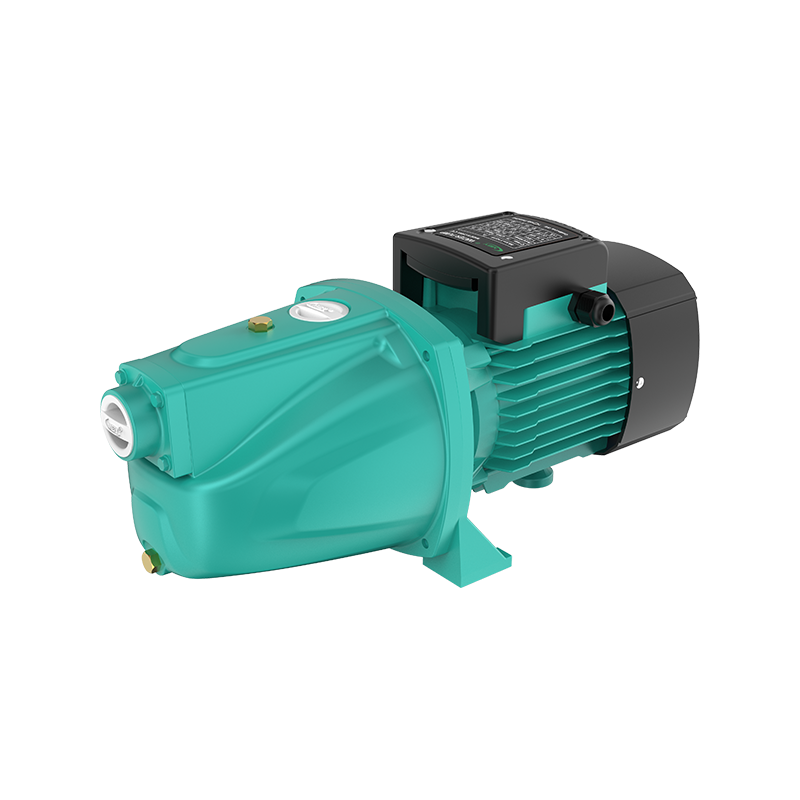
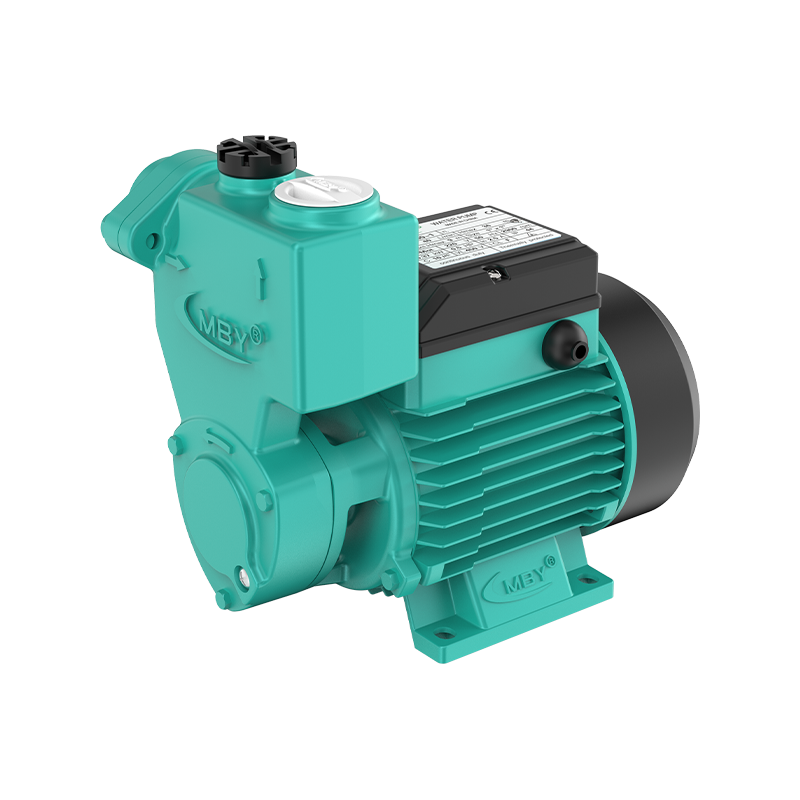
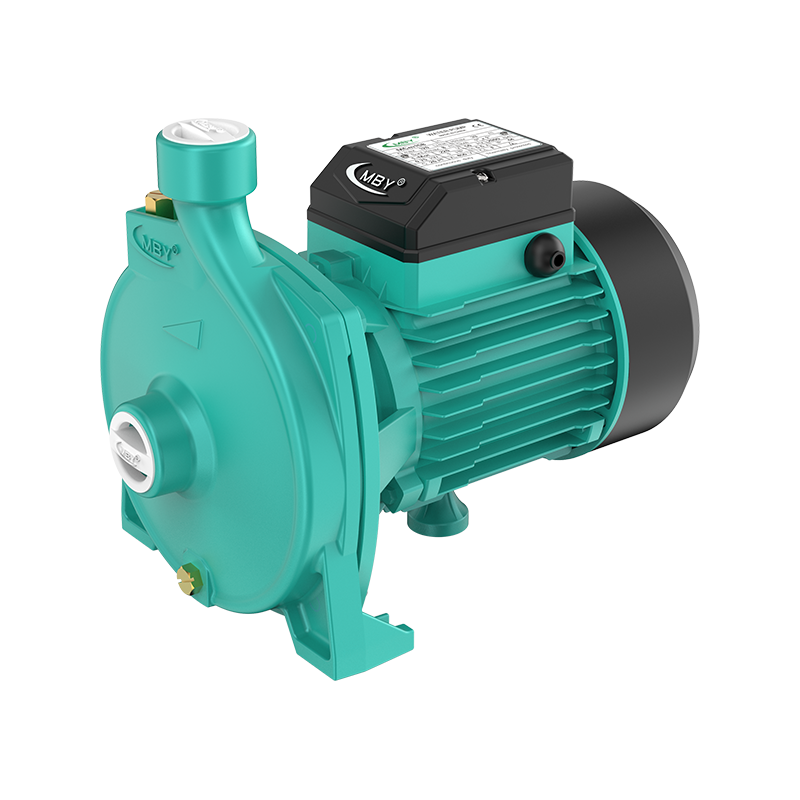
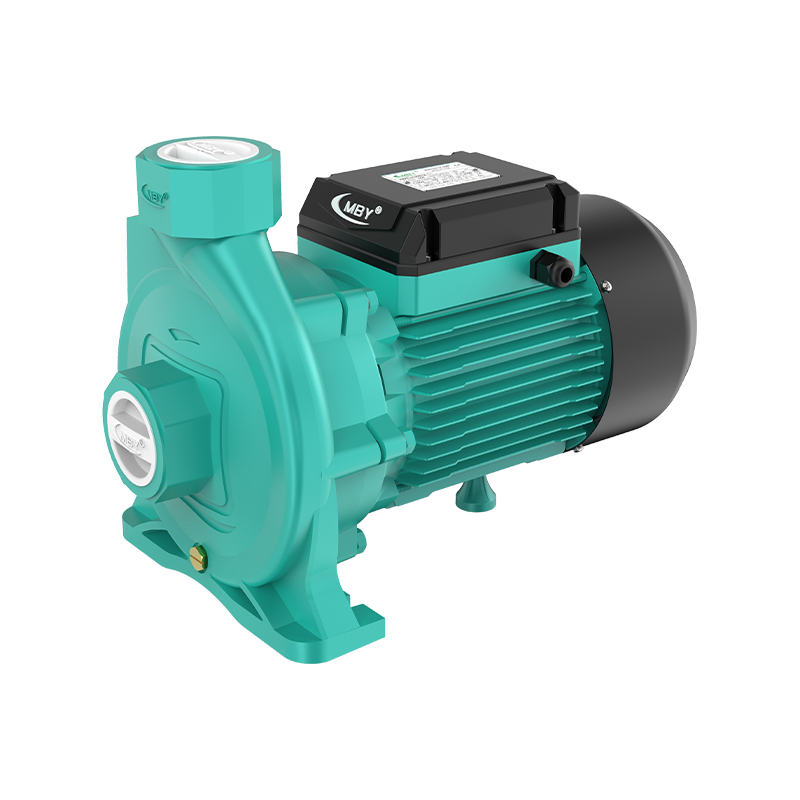
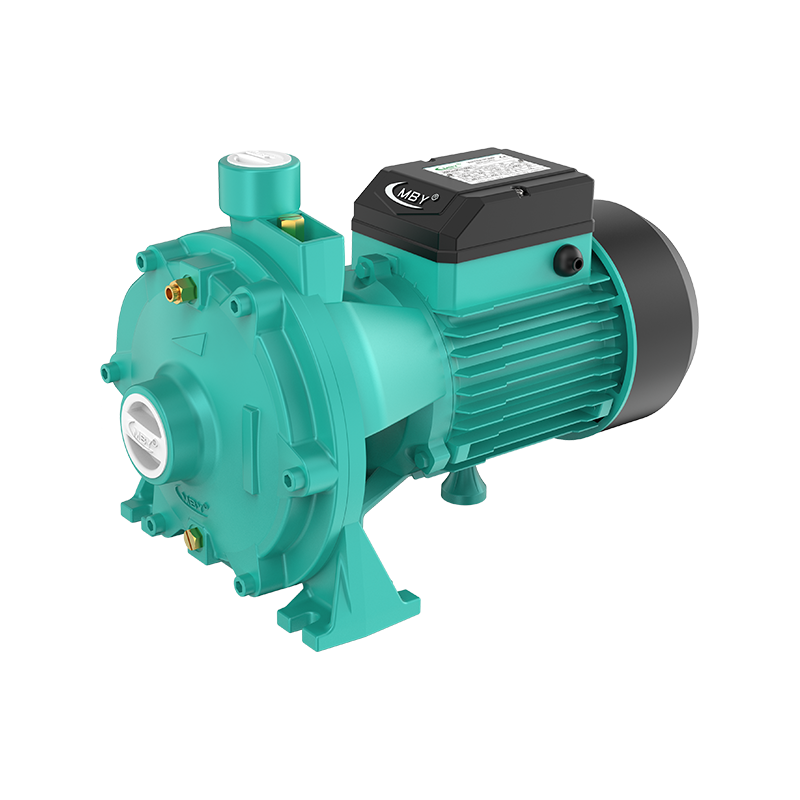
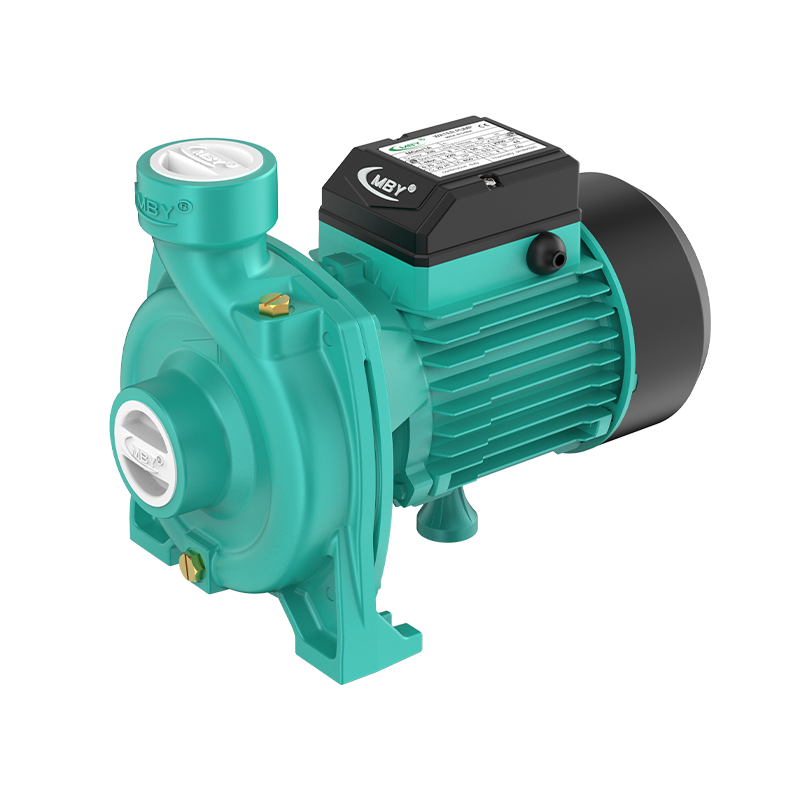
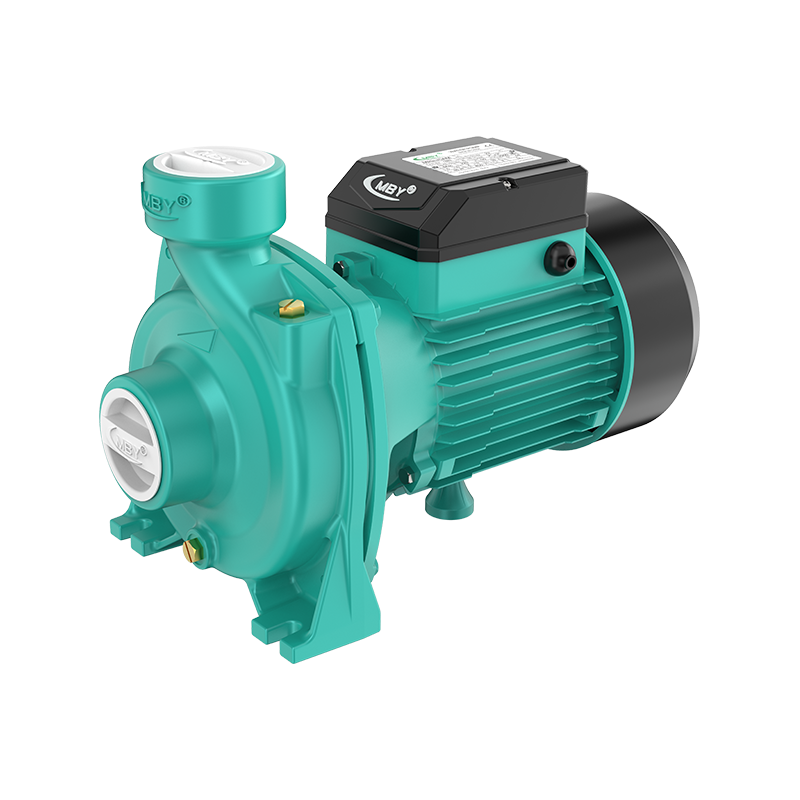
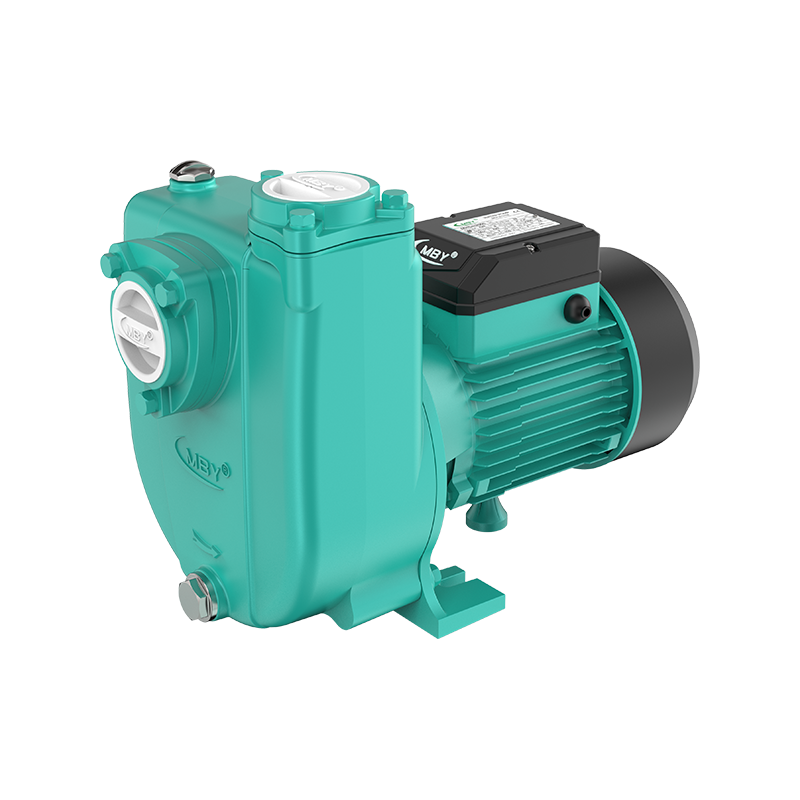
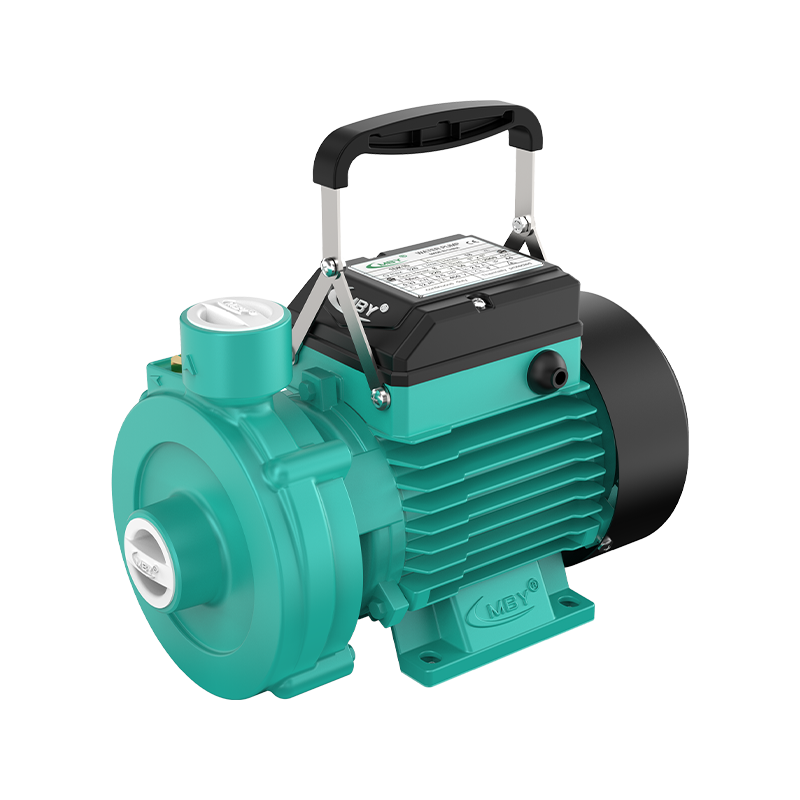
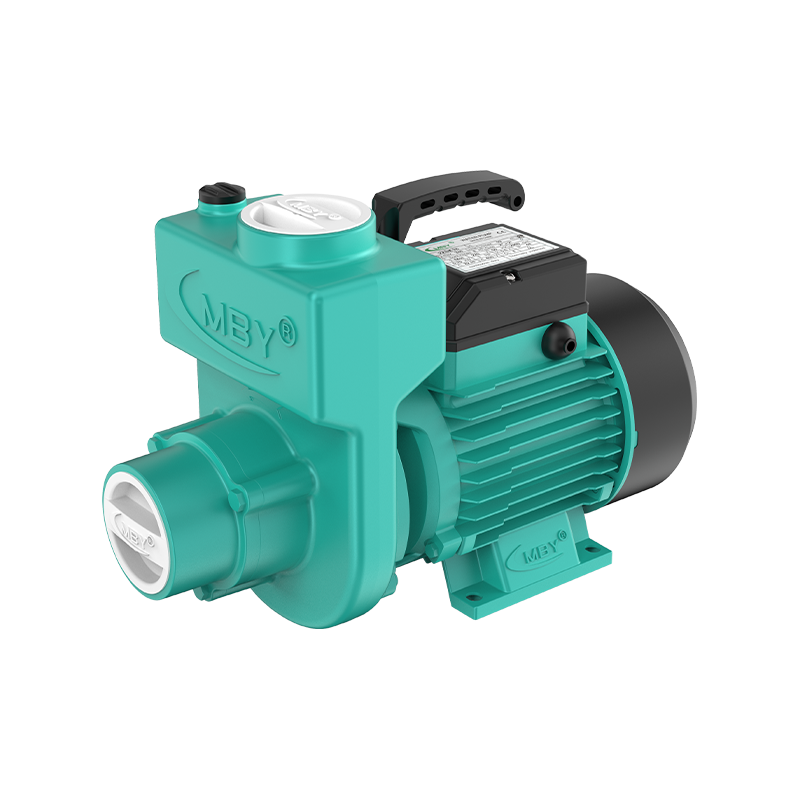
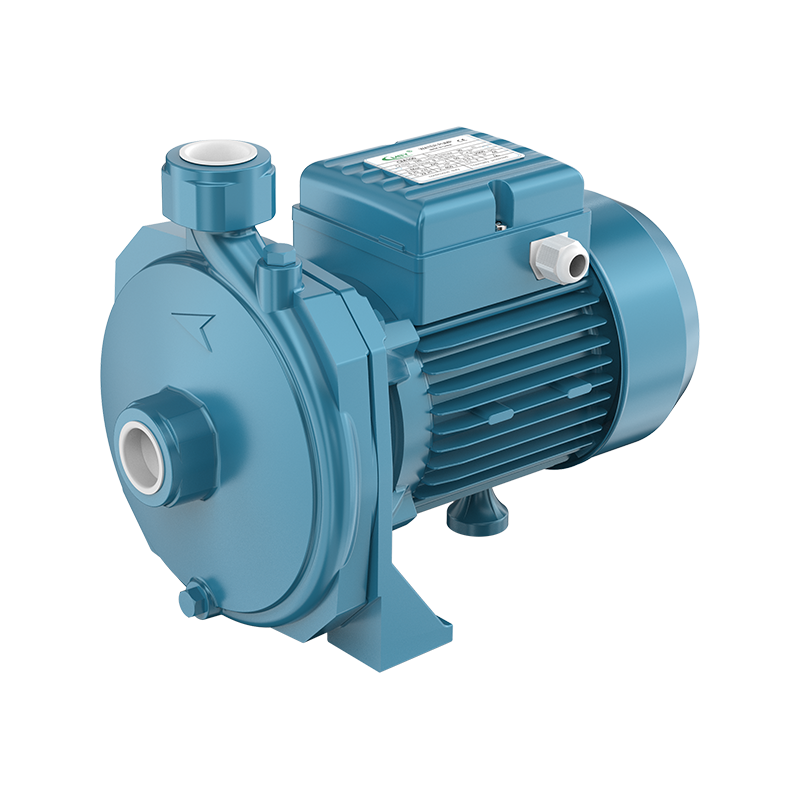
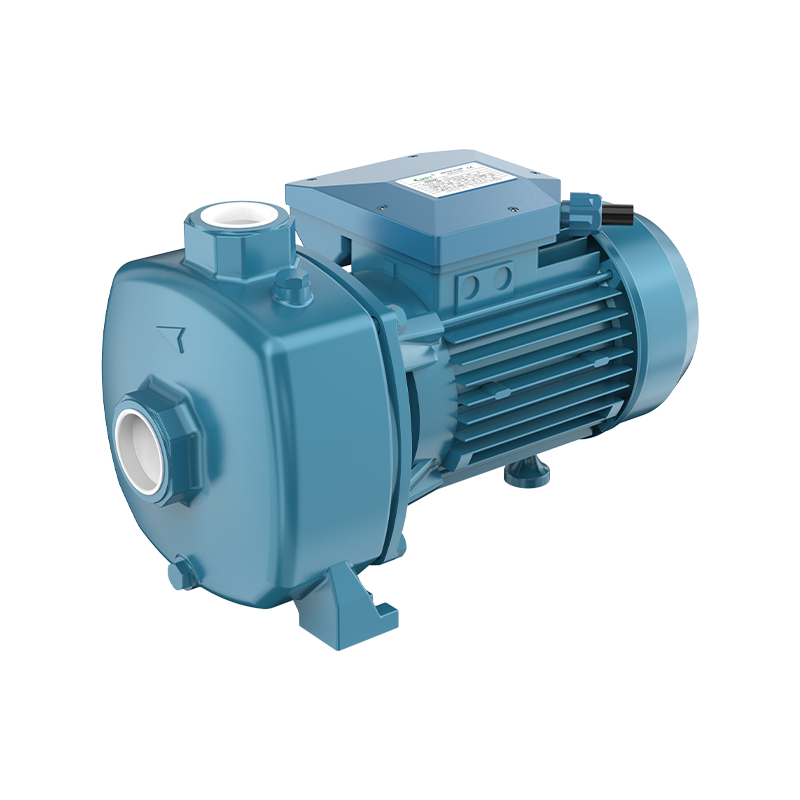
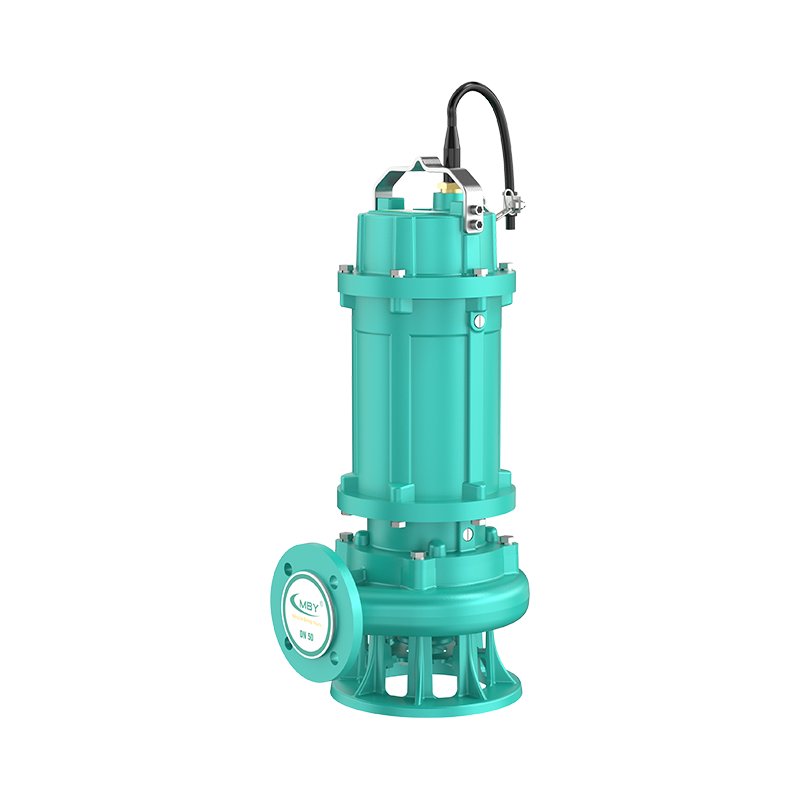
ปั๊มหอยโข่งเป็นอุปกรณ์ปั๊มทั่วไปที่ใช้กันอย่างแพร่หลายในการผลิตทางอุตสาหกรรมและชีวิตประจำวัน ส่วนใหญ่อาศัยการหมุนด้วยความเร็วสูงของใบพัดเพื่อสร้างแรงเหวี่ยง เพื่อให้ของเหลวสามารถรับพลังงานและเพิ่มความดัน และในที่สุดก็ตระหนักถึงการขนส่งของเหลว หลักการทำงานขึ้นอยู่กับแรงเหวี่ยง เมื่อใบพัดหมุนด้วยความเร็วสูง ใบพัดจะดันของเหลวให้หมุน และของเหลวจะถูกโยนไปที่ขอบด้านนอกของใบพัดภายใต้การกระทำของแรงเหวี่ยง จากนั้นจะไหลเข้าสู่ท่อส่งน้ำที่มีแรงดันผ่านช่องทางการไหลของปลอกปั๊มรูปก้นหอย ข้อดีของปั๊มหอยโข่ง ได้แก่ ช่วงการปรับการไหลที่กว้าง การไหลและแรงดันที่เสถียร และความเร็วสูง นอกจากนี้ ปั๊มหอยโข่งยังสามารถขนส่งของเหลวที่มีอนุภาคของแข็งขนาดใหญ่ได้อย่างมีประสิทธิภาพ และประสิทธิภาพการป้องกันการเปรอะเปื้อนและการอุดตันยังดีกว่าปั๊มอื่นๆ ไม่สามารถใช้เป็นปั๊มแรงดันสูงได้ ความหนืดของของเหลวมีอิทธิพลอย่างมากต่อประสิทธิภาพของมัน การใช้งานในการไหลน้อยและสภาวะหัวสูงอยู่ภายใต้ข้อจำกัดบางประการ ปั๊มหอยโข่งถูกนำมาใช้กันอย่างแพร่หลายในการผลิตทางอุตสาหกรรมสมัยใหม่เนื่องจากมีประสิทธิภาพและความเสถียรสูง
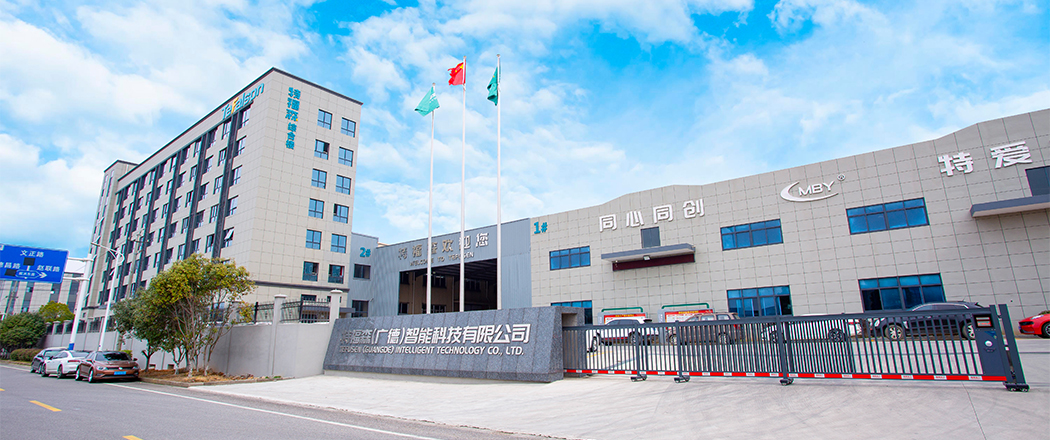
เกี่ยวกับ Tefusen
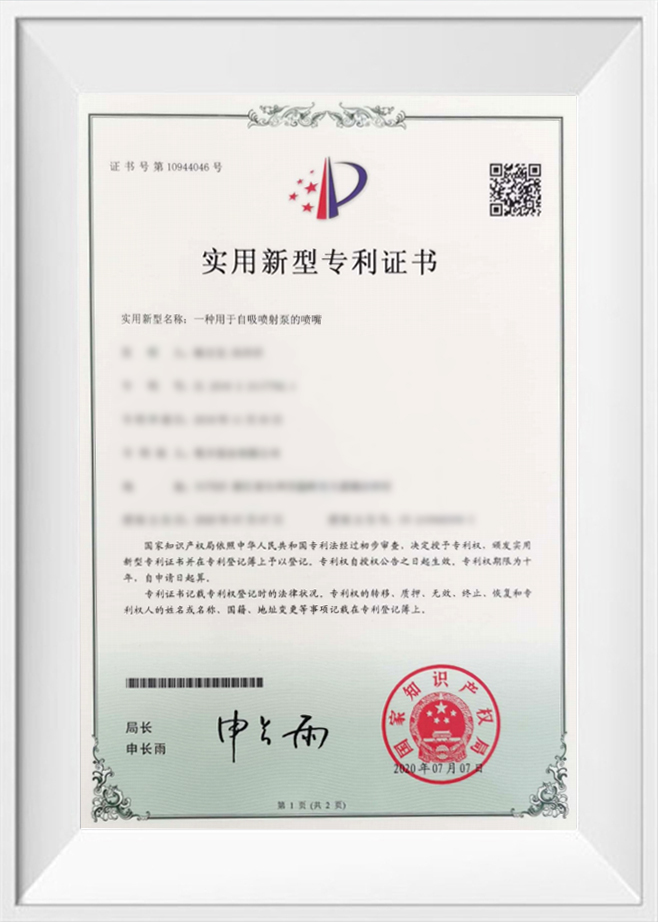
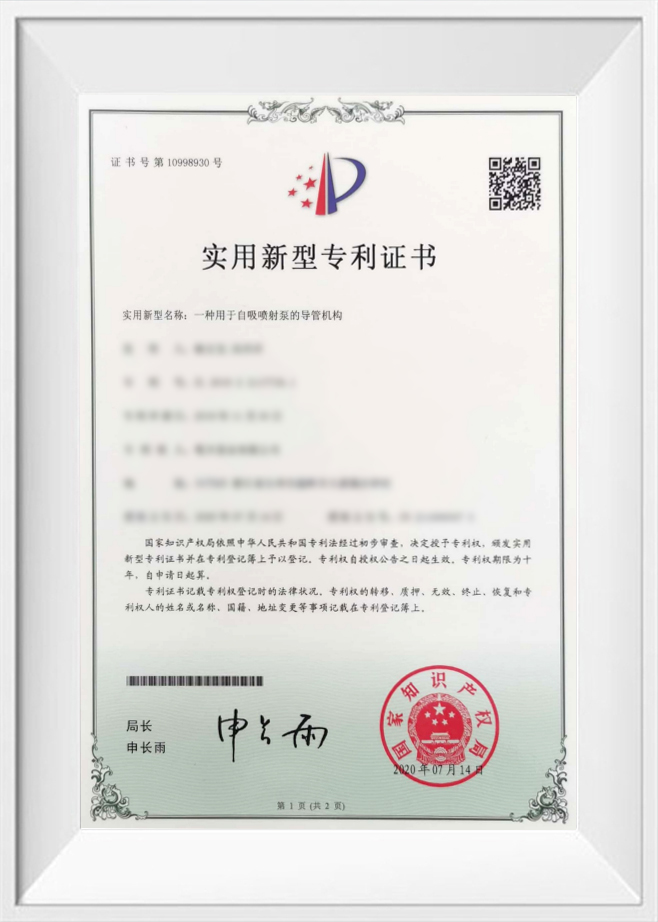
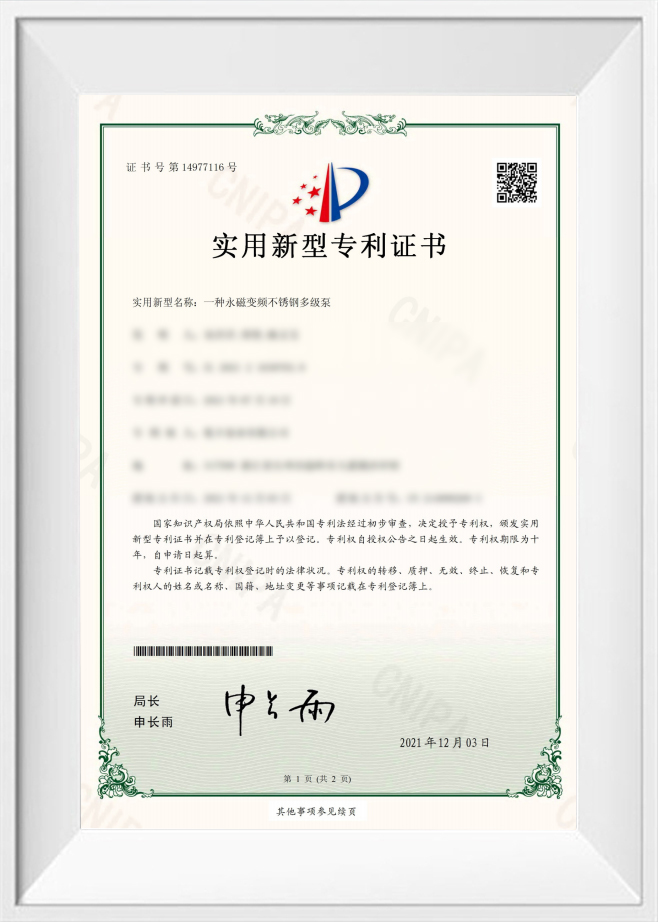
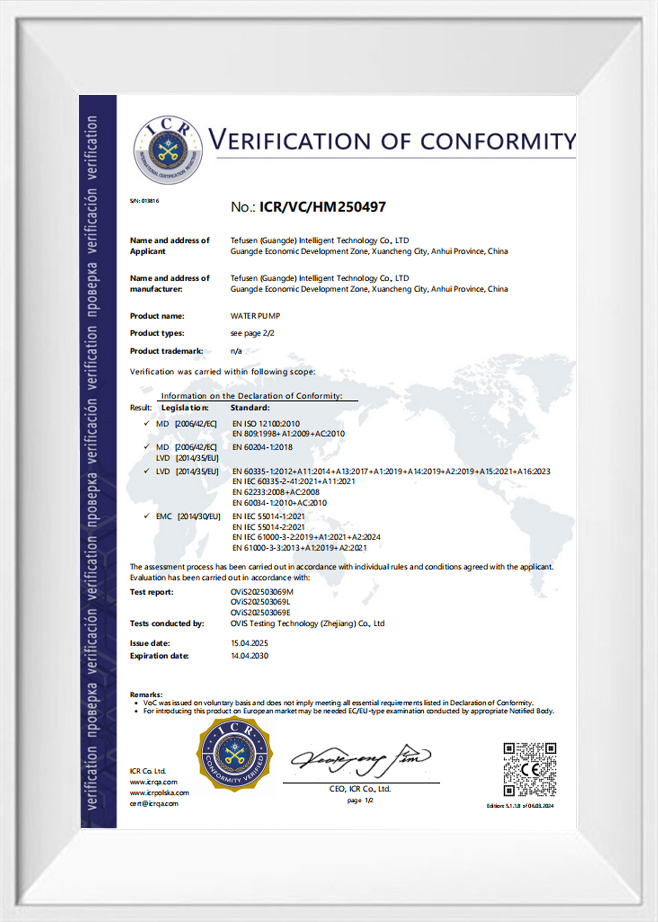
เกียรติยศ
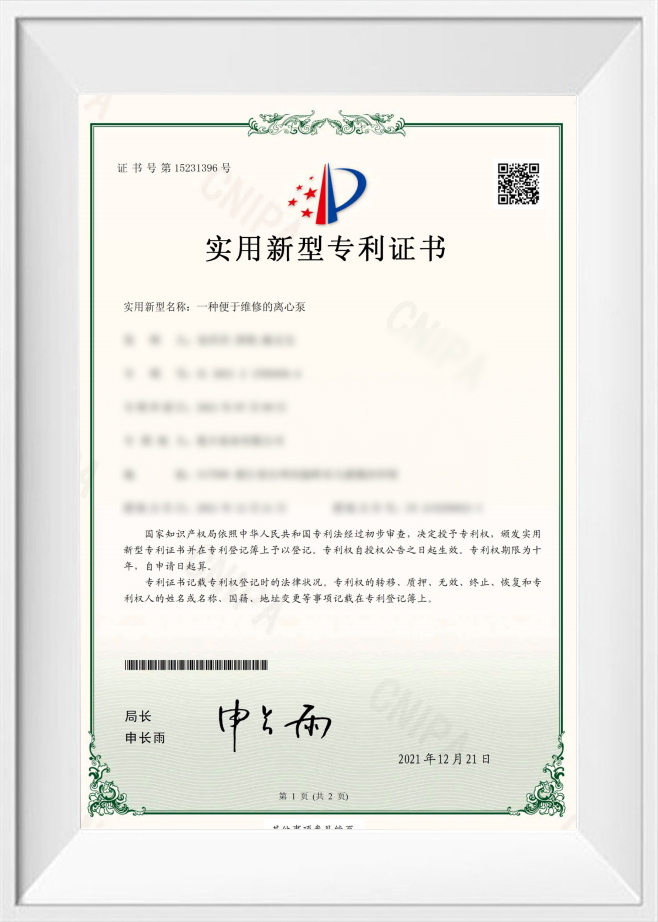
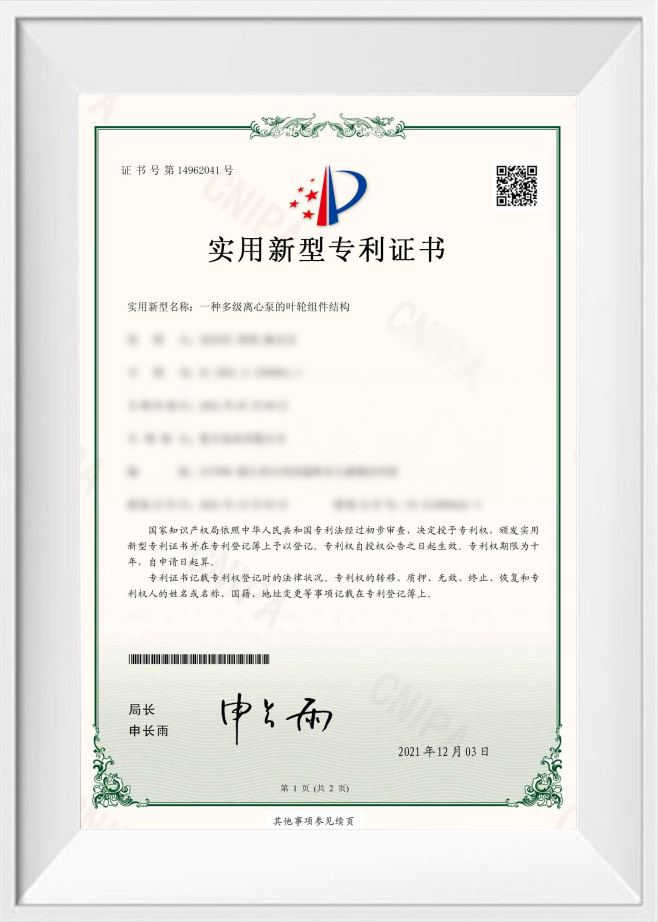
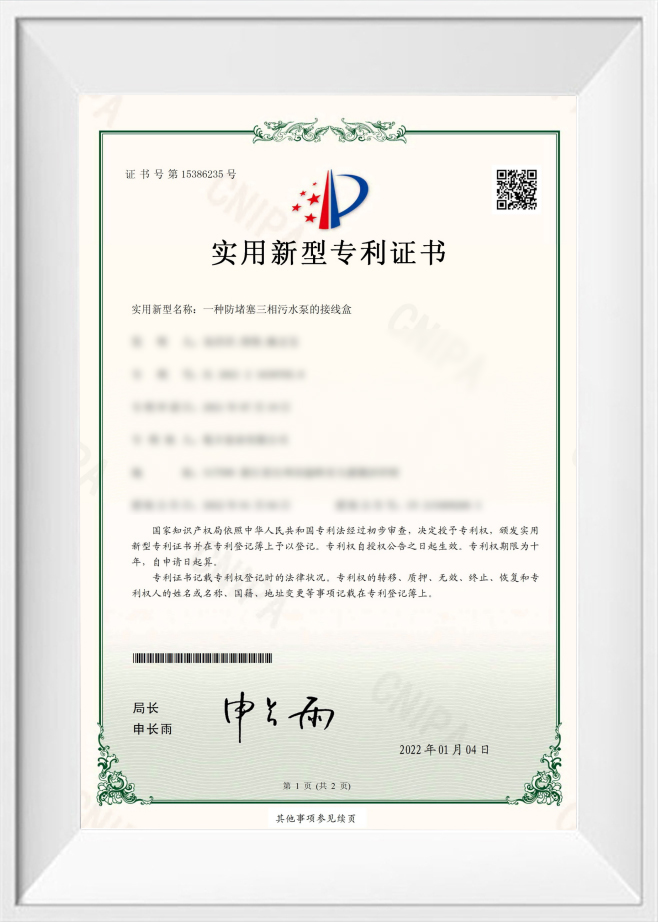
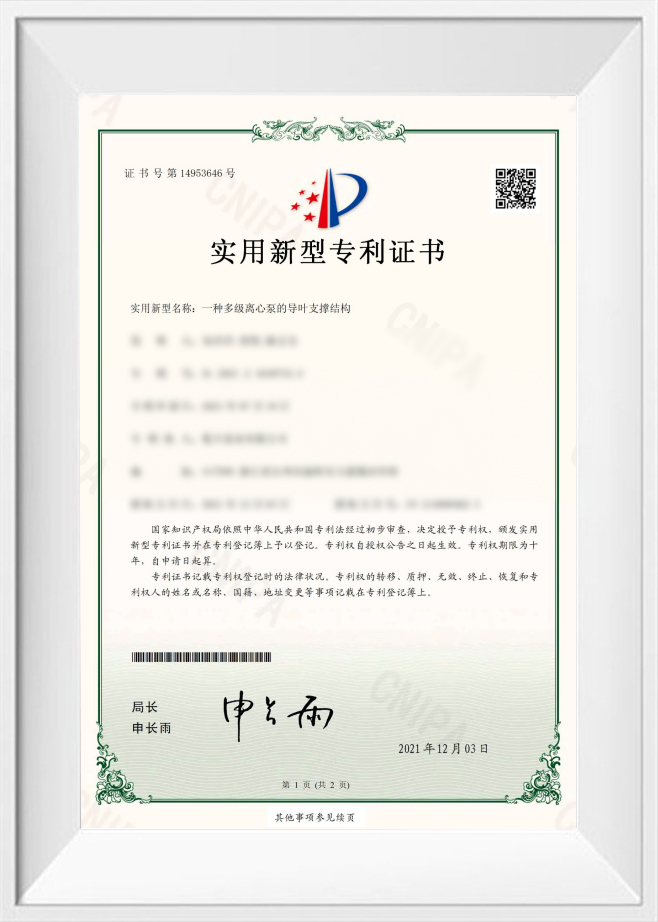
ข่าวสารล่าสุด
ปั๊มหอยโข่ง ความรู้ในอุตสาหกรรม
In industrial production, municipal water supply, agricultural irrigation, and household water use, liquid transportation is a critical link affecting efficiency and operational stability. Among various pump types, centrifugal water pumps stand out with their unique working principles and comprehensive performance, becoming a mainstream option for most liquid transportation scenarios. However, as application scenarios diversify—from large-flow industrial water circulation to small-scale household water supply—many users still wonder: can centrifugal water pumps truly adapt to different working conditions and maintain long-term reliable operation? To answer this, we need to explore their working principles, core advantages, typical applications, maintenance key points, and selection strategies, while clarifying their limitations and mitigation methods.
The efficiency of centrifugal water pumps lies in their energy conversion mechanism based on centrifugal force. When the pump starts, the motor drives the impeller to rotate at high speed (usually 1450 rpm or 2900 rpm for common models). The liquid entering the impeller flow channel is pushed by the rotating blades, and under centrifugal force, it moves along the tangent direction of the impeller circumference, with its speed and pressure increasing significantly—this converts the motor’s mechanical energy into the liquid’s kinetic and pressure energy.
After being thrown to the impeller’s outer edge, the high-speed liquid enters the volute-shaped pump casing. The volute’s gradually expanding cross-section slows the liquid flow, converting part of the kinetic energy into pressure energy to further boost pressure, while guiding the liquid smoothly into the outlet pipeline to avoid turbulence and energy loss. Meanwhile, the impeller’s center forms a low-pressure area as liquid is thrown out; under the pressure difference between the inlet pipeline and the impeller center, the liquid from the water source (pool, well, or tank) is continuously sucked in, forming a stable transportation cycle.
Notably, the impeller design matches liquid properties: curved-blade impellers suit clean water, while open impellers with larger gaps are for liquids containing small solid particles (e.g., sewage with fine sediment), ensuring high efficiency in different scenarios.
Compared with reciprocating pumps, diaphragm pumps, and submersible pumps, centrifugal water pumps have four core advantages driving their wide use:
First, flexible flow regulation and stable output. Their flow rate (from several to thousands of cubic meters per hour) can be adjusted by changing motor speed, outlet valve opening, or replacing impellers. This adapts to production load changes in scenarios like chemical plant cooling water circulation, maintaining stable flow and pressure to prevent equipment failures from liquid supply fluctuations.
Second, simple structure and low maintenance costs. Main components include the impeller, pump casing, pump shaft, bearing, and mechanical seal—fewer moving parts than reciprocating pumps. Daily maintenance only requires regular bearing lubrication, mechanical seal checks, and impeller cleaning. The maintenance cycle is 3–6 months, with costs 1/3 to 1/2 of reciprocating pumps.
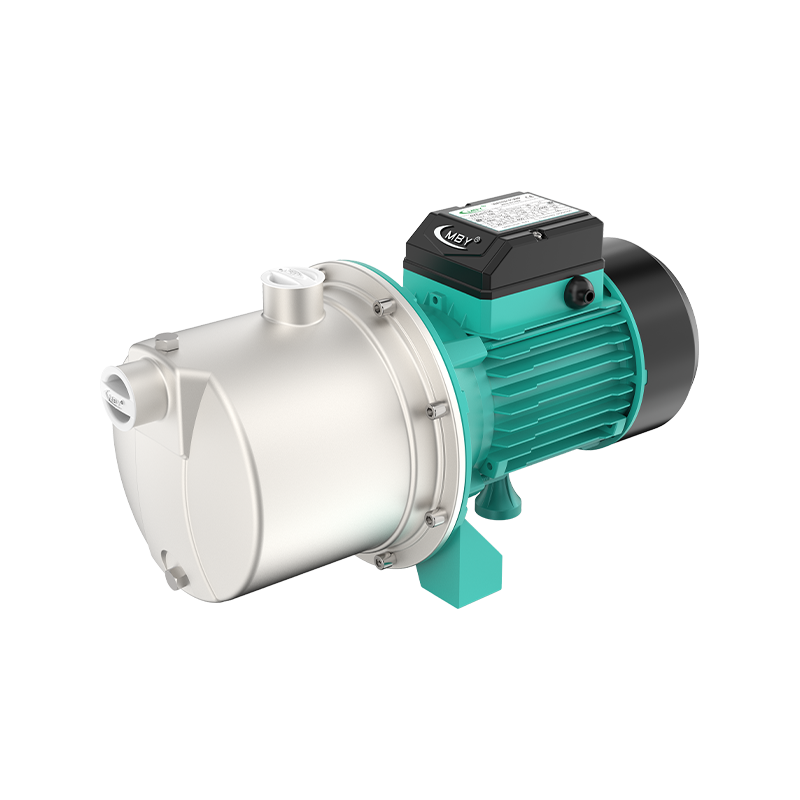
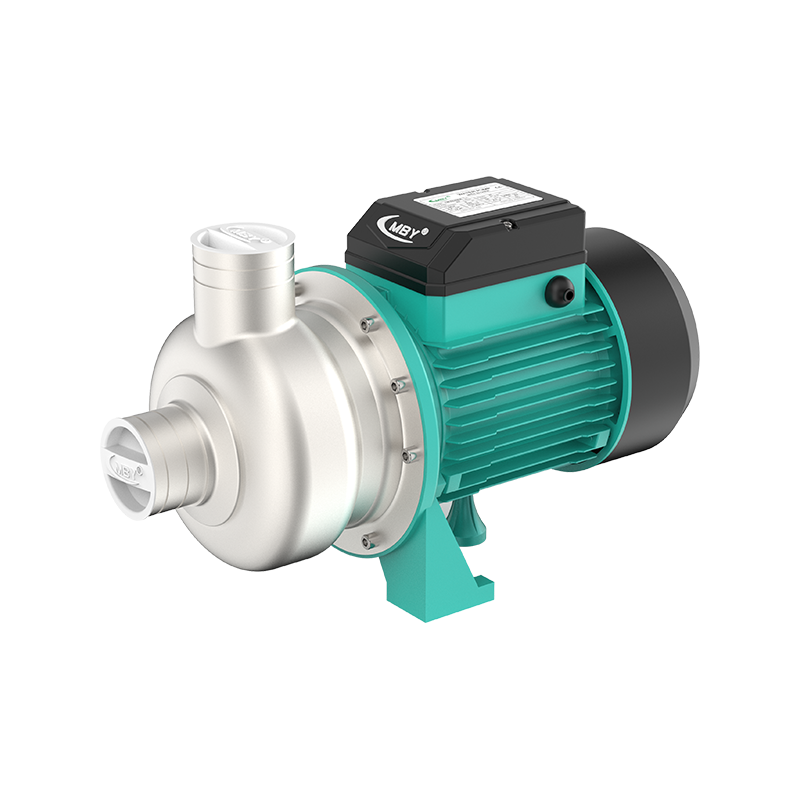
Third, strong adaptability to liquid types. By changing the material of flow-contact parts, they handle various liquids: stainless steel (304/316L) for corrosive liquids (dilute acids/alkalis), cast iron for neutral liquids (industrial wastewater, irrigation water), and non-metals (polypropylene) for food-grade liquids (dairy, juices) to avoid metal ion precipitation.
Fourth, high efficiency and energy savings. Under design conditions, their efficiency reaches 75%–90%, higher than diaphragm pumps (50%–70%) and reciprocating pumps (60%–80%). A 100kW centrifugal pump operating 8 hours/day, 300 days/year, saves about $14,400 annually in electricity costs vs. a same-power diaphragm pump, aligning with energy conservation goals.
Centrifugal water pumps cover almost all liquid transportation needs in production and daily life, mainly in four fields:
In industry, they power liquid circulation: stainless steel models transport chemicals in chemical plants; high-pressure ones (100–500m head) supply boiler water in power plants; and standard models support part-cleaning processes in manufacturing plants (e.g., auto factories) with stable pressure.
In municipal systems, they ensure urban infrastructure operation: large-flow pumps (1000–5000m³/h) move raw water to treatment plants and distribute tap water; open-impeller models transport sewage in treatment plants; and they drain accumulated water in low-lying areas during floods.
In agriculture, they guarantee production: 50–200m³/h models extract water from rivers/lakes for farmland irrigation, covering larger areas than submersible pumps; small models circulate water in fish/shrimp ponds to boost oxygen levels.
In households, small pumps (0.5–2kW) increase water pressure in high-rises, assist water purification systems, and support garden watering or swimming pool circulation.
Scientific maintenance and timely troubleshooting ensure stable long-term operation. Key maintenance points:
Common faults and solutions:
Correct selection follows a three-step method to avoid mismatches (e.g., excessive head wasting energy):
Clarify working conditions: Determine liquid type (clean water/sewage/corrosive), required flow rate (m³/h), head (water column meters), and installation environment (indoor/outdoor/cold areas). For sewage with 5mm solids, choose open-impeller models; for liquid ammonia, use sealed stainless steel pumps.
Match performance curves: Ensure the actual working point (flow + head) falls within the pump’s high-efficiency zone (80%–100% of the best efficiency point). For example, if 50m³/h flow and 30m head are needed, select a pump with a best efficiency point of 55m³/h and 32m.
Choose materials/auxiliaries: Use cast iron for clean/neutral liquids, stainless steel for corrosive ones, and food-grade stainless steel for edible liquids. Add insulation jackets for sub-10℃ environments; use soft starters for frequent start-stops.
In selection and application, professional support helps avoid mistakes. For instance, Tefusen (Guangde) Intelligent Technology Co., Ltd. provides scenario-specific solutions, guiding users to clarify conditions, match parameters, and select materials—ensuring efficient, stable pump operation and reducing long-term ownership costs.
Centrifugal water pumps have limitations in specific scenarios, which can be mitigated:
ติดต่อเรา
ที่อยู่ 1:
เลขที่ 4 ถนนเถาหยวน เมืองเถาโจว เมืองกวางเต๋อ เมืองซวนเฉิง มณฑลอานฮุย ประเทศจีน
ที่อยู่ 2:
เมือง Daxi, เมือง Wenling, เมือง Taizhou, จังหวัด Zhejiang, เมืองการผลิตอัจฉริยะของอุตสาหกรรมปั๊มของจีน